What Happens During Female Cat Sterilisation? Understanding the Process
- Pet
Chris Jorioso
- 6 minutes read
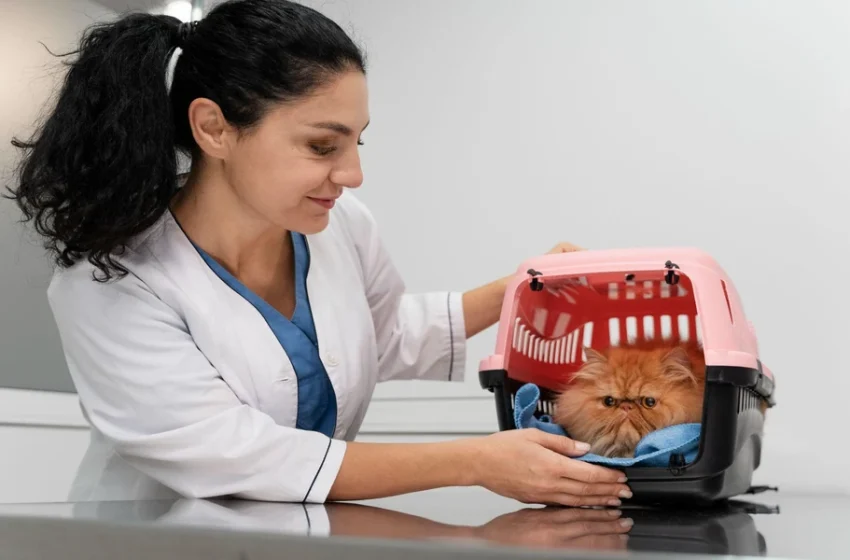
Understanding Your Cat’s Sterilisation
Deciding to spay your female feline marks one of the most responsible choices you can make as a pet owner. Beyond preventing unwanted litters, this routine surgical procedure offers major health and behavioural benefits, protecting your cat against uterine infections and reducing her risk of developing mammary tumours later in life.
Despite its routine nature, sending your beloved pet for surgery naturally triggers anxiety. Understanding exactly what happens behind the scenes during a female cat sterilisation helps ease your mind, allowing you to prepare your home for a smooth, comfortable recovery.
Pre-Surgery Prep: Setting Up a Safe Procedure
Careful preparation begins long before your cat steps inside the operating theatre, as following your veterinarian’s instructions is crucial for her safety. This process includes fasting your cat for roughly 8 to 12 hours before the appointment to prevent vomiting under anaesthesia, while pre-anaesthetic blood tests are conducted to evaluate liver and kidney function to ensure her organs can process the anaesthesia safely.
Additionally, the veterinarian performs a thorough physical examination to verify your cat is in prime condition for surgery, checking heart and lung sounds. To minimise anxiety and ensure comfort, the medical team also administers gentle sedatives and preemptive pain relief before placing an intravenous catheter to prepare for the procedure.
Step-by-Step Procedure: Inside the Sterile Theatre
Once prepped, the surgical team moves your cat into a sterile operating room. The veterinarian performs an ovariohysterectomy (removing the ovaries and uterus) or an ovariectomy (removing only the ovaries) using precise, gentle techniques.
- Monitoring Setup – Connects heart rate, oxygen levels, and blood pressure monitors. Benefit: Ensures continuous, precise tracking of vital signs throughout anaesthesia.
- Surgical Incision – Makes a small, controlled midline or flank incision. Benefit: Minimises tissue trauma and reduces overall post-operative recovery time.
- Organ Removal – Gently removes reproductive organs and secures blood vessels. Benefit: Prevents future uterine infections and eliminates heat cycles.
- Suture Closure – Closes internal tissues and skin using dissolvable stitches. Benefit: Keeps the surgical site secure while eliminating the need for future stitch removal.
The Recovery Phase: Waking Up Comfortably
After completing the procedure, the surgical team transfers your cat to a quiet, warm recovery ward. Dedicated veterinary nurses monitor her continuously as she slowly wakes from the anaesthesia.
The staff keeps your cat wrapped in warm blankets, as anaesthesia temporarily disrupts a feline’s ability to regulate body temperature. Nurses monitor her heart rate, breathing, and pain levels, administering extra pain relief as needed.
When you bring your pet to a veterinary clinic, the medical team ensures your cat remains completely stable, comfortable, and conscious before discharging her into your care later that afternoon.
Home Care Rules: Supporting a Smooth Healing Journey
Your care at home plays a vital role in ensuring a fast, complication-free recovery over the next 10 to 14 days.
First, set up a quiet, warm room away from other pets and young children. Keep her food, water, and a low-sided litter tray close by so she does not need to stretch or strain her incision site to satisfy her basic needs.
Second, prevent jumping and running. Keep your cat indoors and restrict her access to high furniture, as jumping can tear her internal stitches. Using an Elizabethan collar or a protective recovery suit prevents your cat from licking her surgical wound, protecting her against dangerous bacterial infections. Choosing a trusted veterinary clinic gives you direct access to post-operative support, so reach out immediately if you spot excessive swelling, redness, or discharge around her incision.
Your Partner in Feline Wellness
Female cat sterilisation remains one of the safest, most effective ways to protect your feline companion’s long-term health and well-being. By understanding the surgical process, from pre-op checks and sterile theatre care to home recovery, you can approach the procedure with total peace of mind. Provide your pet with expert veterinary care and enjoy a happier, healthier future together.
Frequently Asked Questions
At what age should I schedule my cat’s sterilisation?
Most veterinarians recommend spaying female cats between 4 and 6 months of age, before they enter their very first heat cycle.
How long does the actual surgical procedure take?
The surgery itself usually takes between 15 and 30 minutes, though your cat will spend a few hours at the clinic for pre-op preparation and post-anaesthetic monitoring.
Will sterilisation change my female cat’s personality?
No! Sterilisation eliminates heat-related behaviours, such as loud vocalisation, restlessness, and spraying, but her core personality, playfulness, and affection for you will remain completely unchanged.
Contact Paws N’ Claws to partner with a veterinary team dedicated to maintaining strict surgical standards, pain management, and reliable patient care.